 |
An innovative plant growth promoter for organic and traditional farming
|
 
|
Maize |
|


 On maize Albit is applied as antidote for reducing of phytotoxic
effect of pesticides. Also Albit increases germination, activates growth and
development, increases resistance to disease, to unfavorable climate conditions,
increases yield, improves yield quality.
On maize Albit is applied as antidote for reducing of phytotoxic
effect of pesticides. Also Albit increases germination, activates growth and
development, increases resistance to disease, to unfavorable climate conditions,
increases yield, improves yield quality.
Field trials on maize revealed that Albit increases yield of green mass in average by 14.7%, grain by 11.6% (0.37 t/hа), weight of ear by 3.2–6.2%. Albit decreases infestation of plants (helmintosporiosis, biological efficacy 42–45%; common smut, BE 39–77%).
Since 2002 Albit has been applied on maize var. Kollektivniy-181SV in field trials in All-Russia Institute of Plant Protection (Voronezh region), on hybrid ‘Dratsila’ (Rostov oblast) and also in other institutes and farms. Since 2003 Albit has been applied on maize in Krasnodar krai (ООО ‘Choper-Agroproduct’, Tihoretsk region).
In 2016 after Albit treatment good results on maize were obtained in farms of agricultural holding of Raiffeisen bank (RWA Raiffeisen Agro d.o.o., Austria – Croatia). Field trials were conducted in several holding companies (RWA Kutjevo – one place and RWA ANABBELA Ltd. – two places). Albit was applied 2-fold (foliar spraying in dose 40 mL/hа with standard treatments with herbicide) in the stage of 3-4 leaves and 4 weeks after the first treatment. In the control a significant yield increase (the average yield in all three trials was 12.8 t/hа) was observed, and also Albit promoted to yield increase (by 17%). The average yield in all variants with Albit was 14.9 t/hа. On http://rwa.hr/albit-regulator-rasta/ you can see this trial report. On the other end of the Eurasian continent (Chabarovsk krai, 2016) after Albit treatment yield increase of maize was 25% (1.7 t/hа) (Trial report see in Table 2).
In 2015 in Rumania yield increase was 3.3 t/hа (Fig. 8). The same data were conducted in Krasnodar krai, Rostov oblast, in Ukraine, USA, Switzerland (Trial reports see in Table 2).
According to data of Faculty of Agriculture, University of Abuja (Nigeria, 2010) field germination of maize grain in semidesert area of Nigeria after Albit treatment was increased by 83.3-90.0%, weight of root system and total coefficient of plant vitality were also increased by 17.5% and 63.3%, respectively.
After Albit treatment, increase of laboratory germination (Fig. 1), formation of a more powerful root system of maize seedlings (Fig. 2) and acceleration of plant development (Fig. 3), development of brace roots (Fig. 4) were observed. As a results, drought resistance of plants was increased.
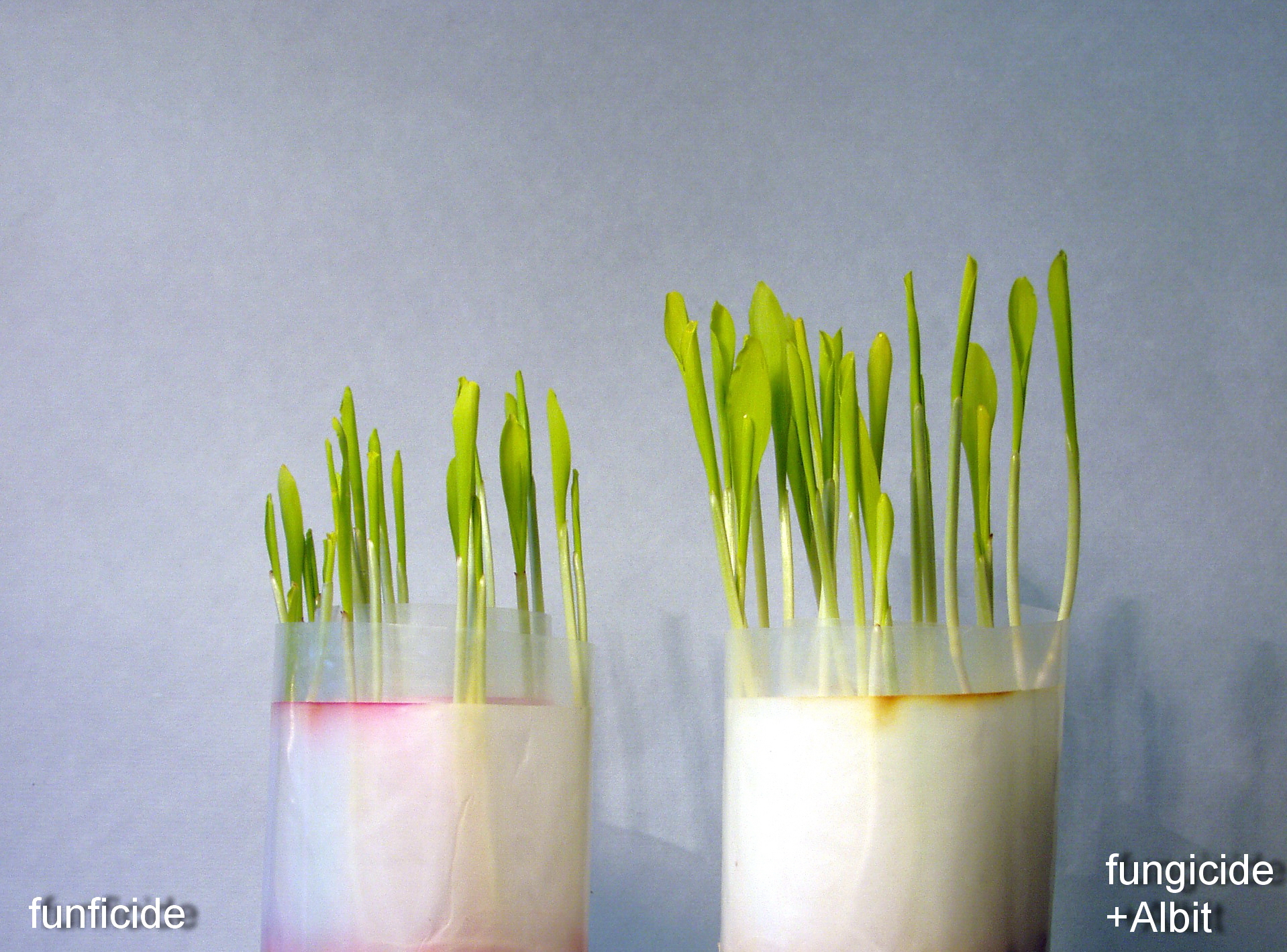
Fig. 1. Influence of Albit on laboratory germination of maize seeds.
Left – standard fungicide treatment, right – fungicide + Albit (IBPhM RAS,
2005)
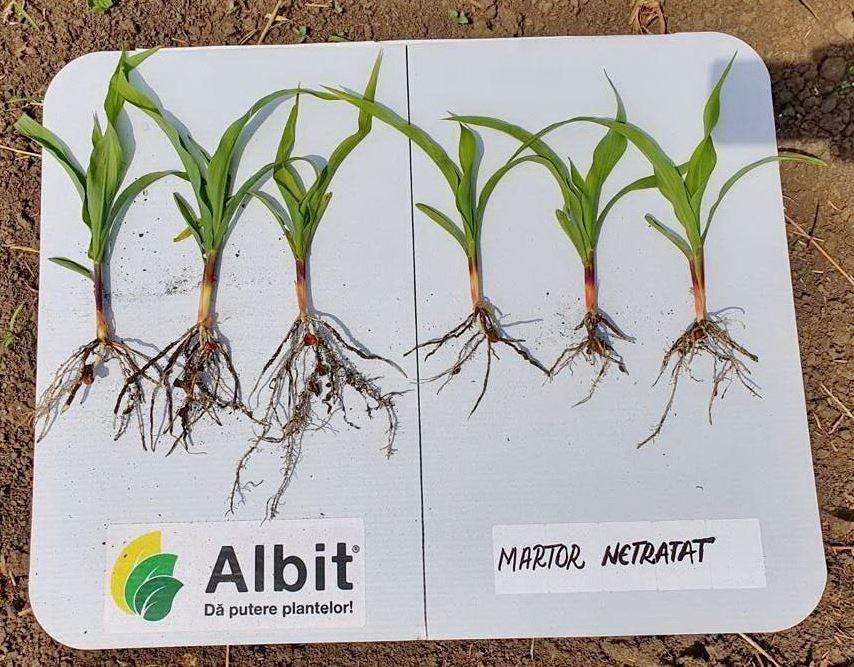
Fig. 2. The effect of seed treatment with Albit on development
of maize seedlings. Left – treatment with Albit,
right – control (Timis, Romania, 2020)
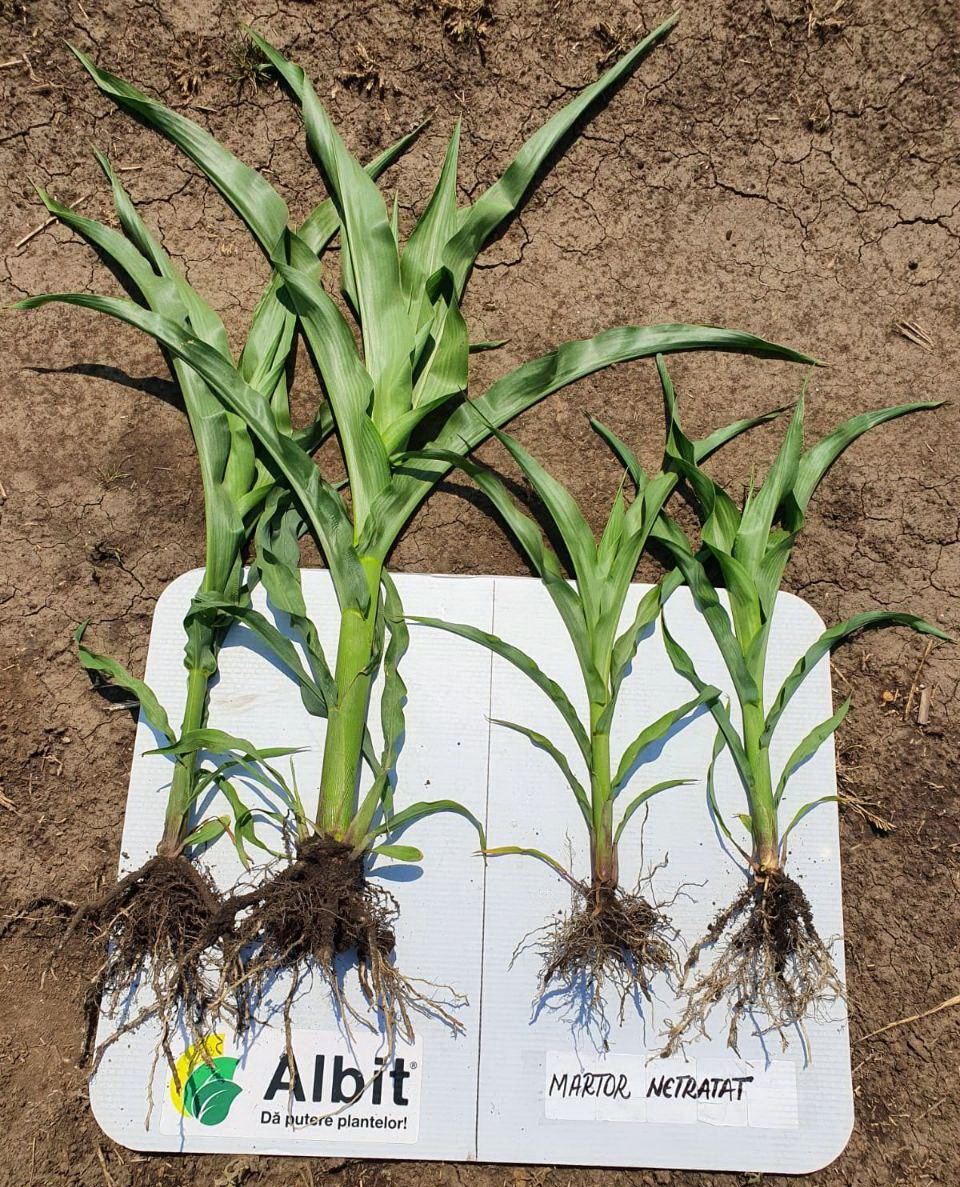
Fig. 3. The effect of seed treatment with Albit on development
of maize plants. Left – treatment with Albit,
right – control (Timis, Romania, June 2020)
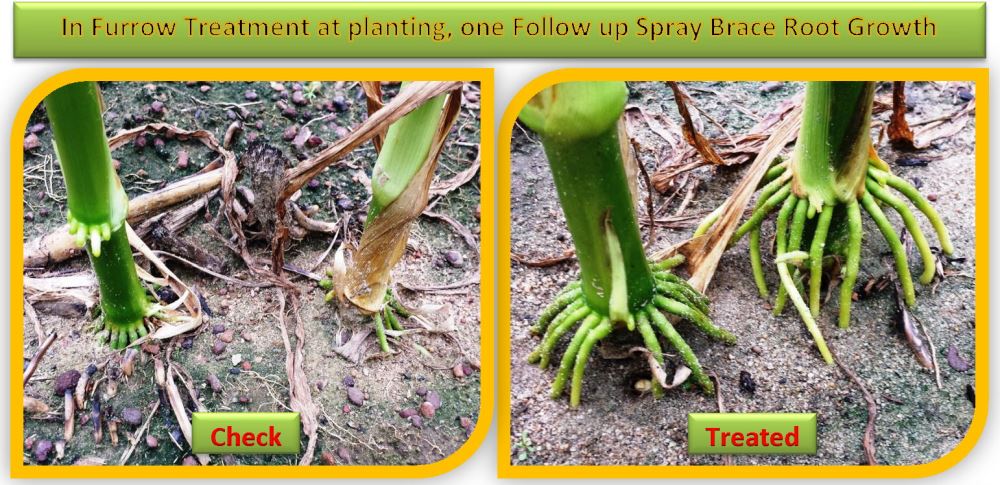
Fig. 4. Albit promotes to development of brace roots (Florida, USA,
2013)
Albit was applied on maize in Georgia, USA (2014) on dry-farming land (Fig. 5) and in Bulgaria (Fig. 6).
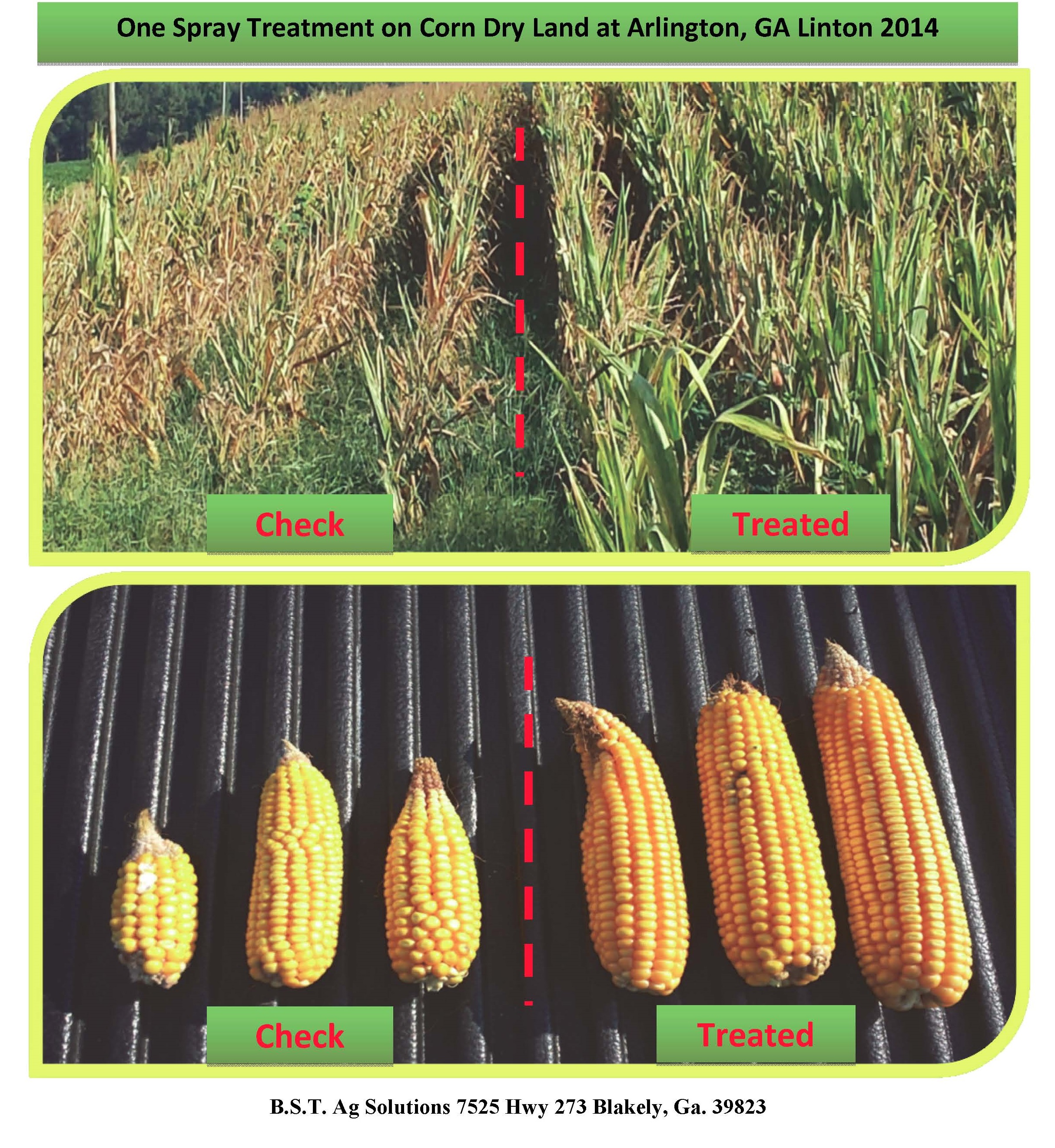
Fig. 5. Acceleration of growth and development of maize after foliar spraying with Albit (on dry land). Сheck – control, Treated – field trial with Albit (Georgia, USA, 2014)
 |
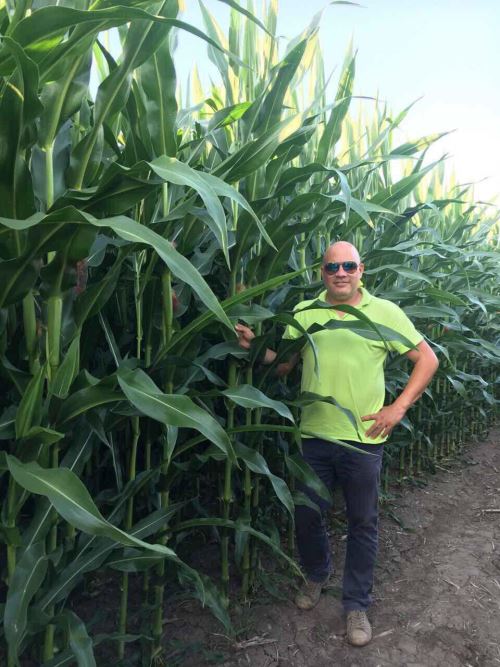 |
Fig. 6. Dealer from Bulgaria G. Mantarliev
in the maize field. Maize was grown with Albit application (Plovdiv Province,
2018)
After Albit treatment on maize, activation of growth and development, as well as increase of yield and improving of yield quality are observed (Fig. 7).

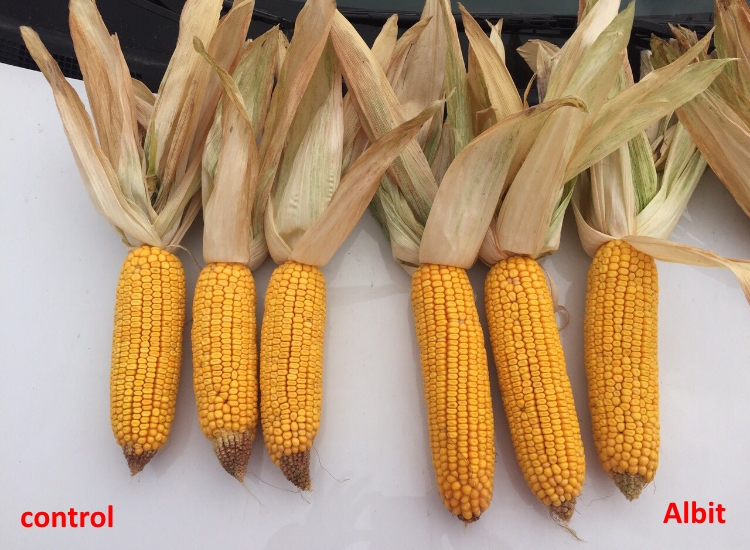
Fig. 7. Result of Albit treatment on maize in Konya region, Turkey, 2016
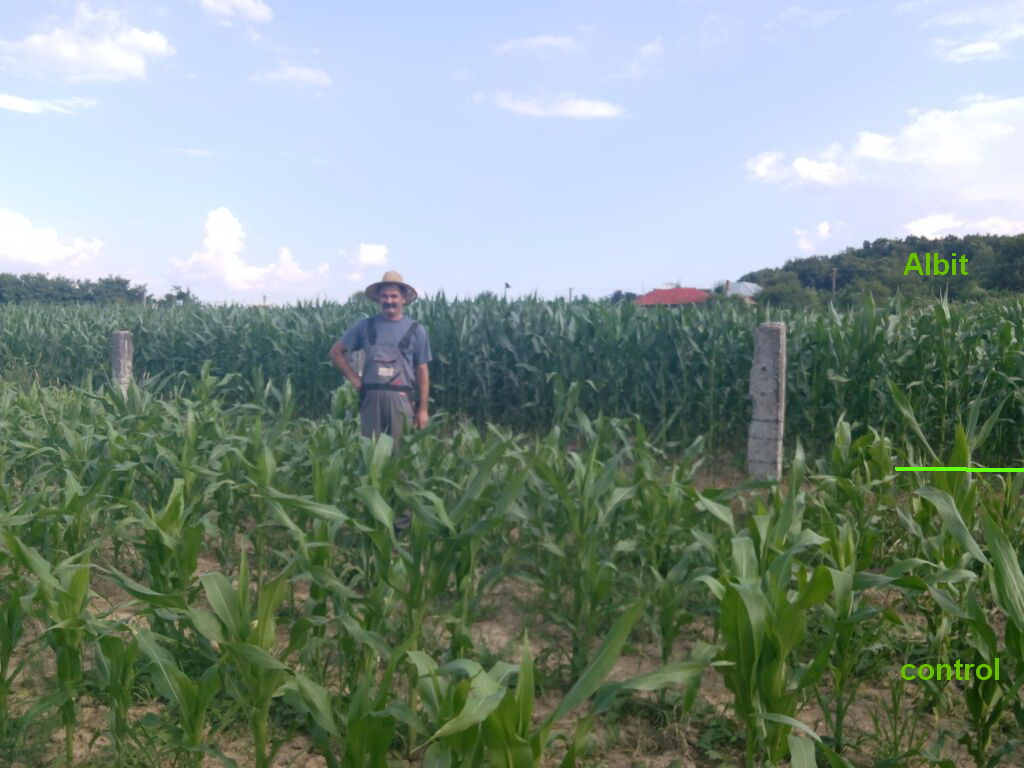
Fig. 8. Farmer Stanciu Romeo (canton Valcea, Romania, 2015): behind him – field treated with Albit. In front of the farmer – control field (without Albit treatment). Yield increase was 3.3 t/hа
Antidote effect of Albit is stabile in different regions with different yield. Field trials on maize (Table 1).
SPK ‘Russia’, |
Agrocompany ‘Mayak’, |
Agricultural cooperative RAGT, |
|
Yield of grain after herbicide treatment, t/hа |
3.8 |
7.4 |
110 |
Yield in variant with herbicide + Albit, t/hа |
4.7 |
8.5 |
120 |
Yield increase, t/hа (antidote effect, %) |
0.9 |
1.1 |
10 |
Overall, based on the conducted field trials after Albit treatment on maize, the optimal method of application of the product is the following:
Method of application. Recommended presowing seed treatment and 2-fold foliar spraying with Albit: in the phase of 3-6 leaves (BBCH 13-16) and flowering stage (BBCH 50-65). Application of Albit in-furrow during the planting (200 mL/hа) may replace seed treatment. Foliar spraying with Albit is conducted with herbicides, fungicides (decreased doses may be used) and fertilizers. The maximal effect of Albit was observed after presowing seed treatment and first foliar spraying (in the phase of 3-6 leaves), which may be combined with herbicide treatment. The second treatment is recommended as a supplement to the first one, but it is less effective (allows to increase efficacy of the first one by 20-30% and is not applied independently). Recommended application rate of Albit: 100 mL/t (presowing seed treatment, application rate of working solution 10 L/t), 40 mL/hа (foliar spraying, application rate of working solution 300 L/t). 1 litre of Albit is used for treatment of 12.2 hа. 1 litre of Albit is able to provide averagely 4.5 t of corn and 69.1 t of biomass over control.
A high efficacy of Albit treatment on maize was observed in tank mix with herbicides. In this trial Albit had antidote effect (protection of plants against pesticide stress). Application of Albit with herbicides increases of yield of maize by 23.7% in comparison with pure herbicide treatment according to all conducted trials. Albit was effectively applied for foliar spraying of maize with zink-containing fertilizers (in ООО ‘Choper-Agroproduct’, stanitsa Choperskaya, Tihoretsk region, Krasnodar krai). Yield increase of grain was 0.38 t/hа.
For maximal effect Albit on maize, presowing seed treatment (100 mL/t) is recommended. Inclusion of Albit to industrial technology of seed treatment provides a high growth stimulating effect beginning with early stages of plant development, accelerate of germination after treatment with chemical protectants, increase efficacy of foliar sprayings by 25-40%. Farms are usually supplied with already treated maize seeds whose additional treatment is not recommended. Albit is included in the scheme of maize seed treatment in the metering factory (stanitsa Tbilisskaya, Krasnodar krai).
In the following Table, you can see all reports on performance of Albit on maize, available in English. For all available reports, please see corresponding table on Russian webpage
№ |
Year |
Country |
Region |
Institute / Farm |
Report |
1. |
2015 |
Romania |
Bacau |
CCDCPN Dabuleni |
 |
2. |
2015 |
Romania |
Valcea |
Babeni / Farmer Stanciu Romeo |
|
3. |
2015 |
Russia |
Krasnodar krai |
National Scientific Research Institute of Biological Plant Protection, Russian Academy of Agricultural Sciences |
|
4. |
2015 |
USA |
Georgia |
Tri County Ag Services |
|
5. |
2014 |
Hungary |
Martonvasar |
Institute at Martonvasar |
|
6. |
2014 |
Russia |
Krasnodar krai |
National Scientific Research Institute of Biological Plant Protection, Russian Academy of Agricultural Sciences |
|
7. |
2014 |
Slovakia |
Nitra |
Slovak University of Agriculture |
|
8. |
2014 |
USA |
Georgia |
B.S.T. Ag Solutions |
|
9. |
2014 |
USA |
Georgia |
Farmer Judson Hornsby |
|
10. |
2013 |
Germany |
|
Agricultural cooperative RAGT |
|
11. |
2013 |
USA |
Georgia |
Sunbelt Ag Exposition, Moultrie |
|
12. |
2012 |
Czech Republic |
Zlin Region |
Agricultural Research Institute Kromeriz |
|
13. |
2012 |
Switzerland |
Oullens |
Farmer Vuillamy Alain |
|
14. |
2011 |
Nigeria |
Abuja |
FALPAS and Premier Seeds Zaria |
|
15. |
2011 |
Nigeria |
Abuja |
University of Abuja |
|
16. |
2009 |
Nigeria |
Abuja |
University of Abuja |
|
| NOTICE: | Information contained on this page is provided according
to the Terms and Conditions located at
www.albit.com/application/disclaimer.php
|